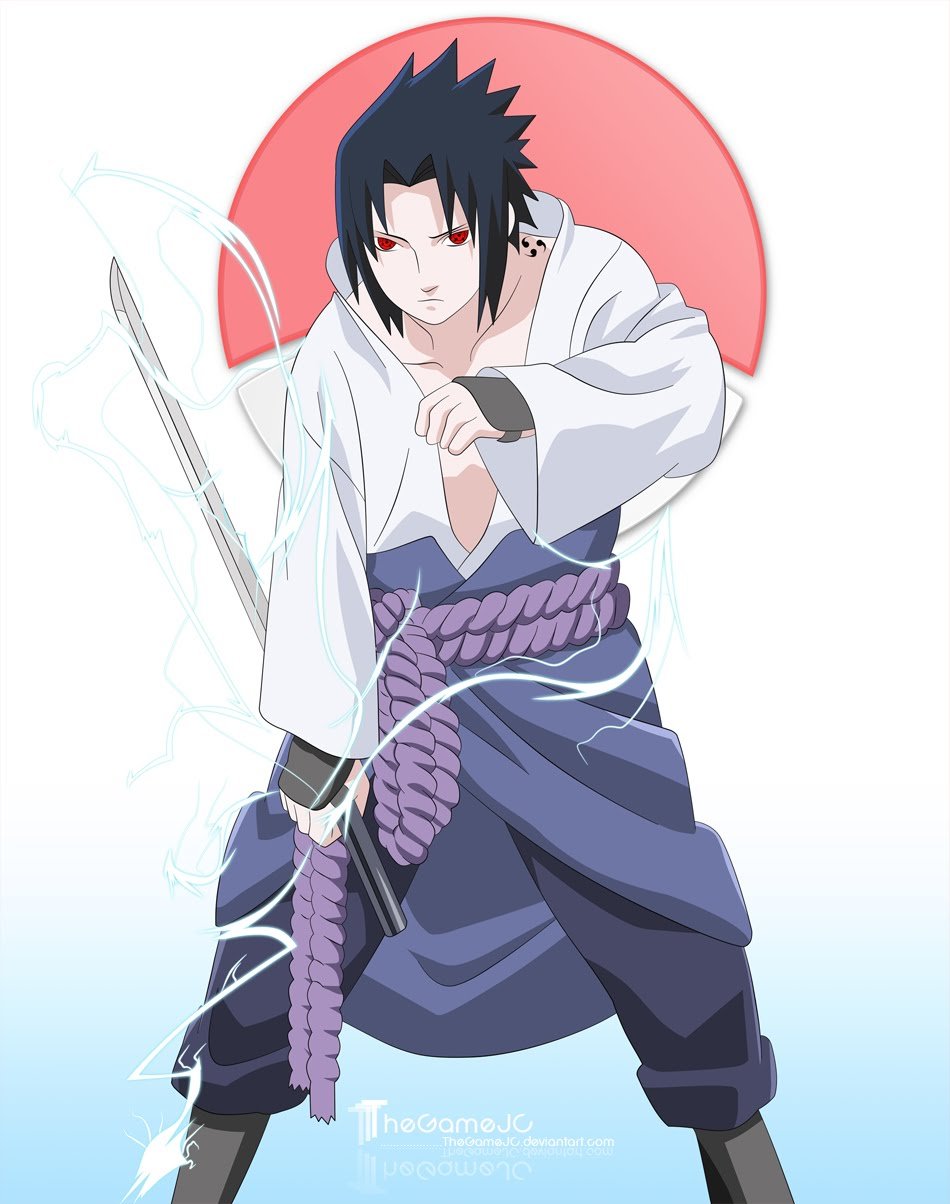
Sasuke Uchiha. The name alone conjures images of unyielding determination, unparalleled power, and a heart shadowed by vengeance. For years, fans of Naruto have debated the complexities of his character, particularly his tumultuous relationship with Naruto Uzumaki and the persistent question: why couldn't Naruto truly "save" him earlier? What if we told you that the grittier, more direct world of Jujutsu Kaisen offers a powerful, human-first explanation for Sasuke's unique path, highlighting the crucial differences in how deeply personal suffering is addressed?
In a franchise where friendship and unwavering belief are often the ultimate answers, Sasuke stands as a stark counter-narrative. His journey from an orphaned prodigy to a global threat, and eventually to a redeemed vigilante, is riddled with choices that defied easy solutions. By examining Sasuke's arc through the lens of Jujutsu Kaisen's more individualistic and often brutal reality, we can uncover profound insights into why his profound sense of displacement and personal "curses" required a different kind of resolution than Naruto's idealistic embrace.
Unraveling the Uchiha's Curse: A New Lens for an Old Story
Sasuke Uchiha was born into tragedy. At just seven years old, his entire clan, including his parents, was massacred by his older brother, Itachi. This singular event forged a deep-seated trauma that would define his every move. Despite finding a surrogate family in Team 7 with Naruto and Sakura, and a mentor in Kakashi Hatake, the void left by his loss and the gnawing feeling of powerlessness drove him away from Konohagakure. He sought strength wherever he could find it, even if it meant aligning with sinister figures like Orochimaru.
This pursuit of strength, initially for revenge and later for a misguided sense of justice, became Sasuke's personal "curse." Unlike the more traditional villains Naruto often presented, Sasuke's motivations were deeply personal, rooted in a specific, almost tangible pain that broad ideals struggled to address. It was a curse that festered, morphing from personal vengeance against Itachi to a quest to dismantle the very system he felt created his suffering. To truly grasp the dark forces at play within him, you might want to explore the depths of Sasuke's isolation and his consuming quest for vengeance through a JJK lens.
Ocular Prowess and the Price of Power
Sasuke's abilities are legendary. From the moment he awakened his inherited Sharingan, he demonstrated a capacity to perceive the world with superhuman clarity, copying techniques and seeing through illusions. Yet, this power came with a heavy cost. His encounter with Orochimaru left him with a Cursed Seal that amplified his physical prowess but also amplified his cruelty, foreshadowing the dangers of power without control.
His quest culminated in the awakening of the Mangekyo Sharingan after Itachi's death, unlocking devastating techniques like Amaterasu and Susanoo. Later, he inherited the legendary Rinnegan from Hagoromo Otsutsuki, granting him even more god-like abilities, including mastery over various elements and spatial manipulation. In Jujutsu Kaisen, cursed energy is born from negative emotions, and powerful cursed techniques often have severe drawbacks or strict limitations. Sasuke's powers, fueled by his grief, hatred, and desire for vengeance, resonate uncannily with this concept. His abilities, while formidable, were intrinsically linked to his suffering and often pushed him further into darkness, blurring the line between technique and curse. It's fascinating to dive deeper into how Sasuke's unique abilities resonate with Jujutsu Kaisen's power system and consider the parallels.
The Rift in Empathy: Why Naruto's Ideals Faced Resistance
The central narrative struggle of Naruto often revolved around Naruto's relentless attempts to "save" Sasuke from his chosen path of darkness. Naruto's approach was one of broad, unwavering idealism – believing in the power of friendship, understanding, and the possibility of reconciliation for everyone. He saw Sasuke as a brother and clung to the hope that his love and persistence would eventually bring Sasuke back.
However, as the Jujutsu Kaisen universe often demonstrates, not all problems can be solved with a hug or a grand speech. Jujutsu Kaisen Chapter #266 highlights a critical difference in empathetic delivery. When Yuji Itadori confronts Megumi Fushiguro, who is possessed by Sukuna, Yuji's plea isn't about grand ideals; it's a raw, sincere, and deeply personal confession: "it's lonely without you, Fushiguro." This direct, vulnerable appeal resonates, allowing Megumi to resist Sukuna's control, even momentarily.
Naruto's empathy for Sasuke, while sincere, was often too broad, too idealistic, and arguably, not specific enough to pierce Sasuke's deeply personal, almost pathologically rooted sense of displacement and trauma. Sasuke's wounds were not generic; they were precise, carved by the loss of his family and the betrayal he felt from Konoha. Naruto's "hundreds of chapters of failed communication" before their final, brutal confrontation underscores this point. To truly understand why Naruto's broad idealism struggled to penetrate Sasuke's personal pain, and what JJK teaches us about direct empathy, you'll find compelling arguments.
A Tale of Two Rivals: Sasuke and Megumi's Shared Shadows
The comparison between Sasuke and Megumi Fushiguro is particularly insightful. Both characters carry immense burdens from their pasts: Sasuke, the Uchiha clan massacre; Megumi, the abandonment by his father and the dark legacy of his family's Jujutsu techniques. Both are initially reserved, highly skilled, and possess a unique power (Sharingan/Rinnegan for Sasuke, Ten Shadows Technique for Megumi) that sets them apart.
Crucially, both exhibit a tendency towards self-sacrifice and a strong, though often hidden, sense of loyalty to their comrades. Yet, their paths diverge significantly in how they respond to attempts at connection. Megumi, despite his cynicism, is shown to be receptive to Yuji's raw, personal appeals in a way that Sasuke often wasn't to Naruto's more generalized idealism. This contrast illustrates the Jujutsu Kaisen narrative's emphasis on individual bonds and direct emotional confrontation over sweeping heroic gestures. For a deep dive into these fascinating parallels, you should uncover the striking similarities and crucial differences between Sasuke and Megumi Fushiguro.
Beyond Redemption: Sasuke's Enduring Struggle and the Boruto Era's Heavy Cost
Sasuke eventually found a form of redemption after his final battle with Naruto, losing an arm and surrendering to his friend. He was pardoned, married Sakura, and had a daughter, Sarada. He became a vigilante, supporting his village from the shadows and mentoring Boruto Uzumaki. This felt like a earned peace, a resolution to his long, painful journey.
However, the world of Boruto has shown that even redemption doesn't erase all "curses." Sasuke's path has continued to be one of sacrifice and profound loss. He lost his Rinnegan to a surprise attack while protecting Boruto. Following Eida's reality-altering Omnipotence, Sasuke was labeled a traitor, forced to protect Boruto while being hunted by his former allies. His most recent fate is tragic: defeated by Code's Ten-Tails clones, sealed, and transformed into a tree, from which a new Divine Tree creature, Hidari, spawned.
This escalating series of misfortunes, even after his reconciliation, paints a picture far grimmer than the typical shonen hero's happy ending. It resonates deeply with Jujutsu Kaisen's more brutal philosophy, where sacrifices are real, consequences are permanent, and even the strongest can fall in horrific ways. It suggests that some "curses" leave indelible marks, demanding ongoing sacrifices and demonstrating that "saving" someone isn't a one-time event, but an ongoing struggle with enduring costs. To understand the full scope of his trials, follow Sasuke's complex journey of redemption and the harsh consequences he faces in the Boruto era.
Sasuke Uchiha's story, viewed through the lens of Jujutsu Kaisen, becomes a poignant exploration of individual trauma, the precise nature of empathy, and the enduring consequences of one's chosen path. It's a testament to a character whose struggles transcend his own universe, offering lessons in human resilience, the cost of power, and the profound difference a truly personal connection can make. His journey reminds us that while ideals are powerful, sometimes, only a direct acknowledgment of personal pain can truly begin to mend a broken soul.